CSR KPIs: The Best Performance Indicators to Track
Written by Tony Demeulemeester, Co-founder & COO @ Eli
January 23, 2026 · Updated October 1, 2026 · 13 min read
Ready to engage your teams?
Create custom challenges that connect employees to your mission and drive real behavioral change.
CSR KPIs are essential indicators for measuring your company’s environmental, social, and governance impact. In this article, we will guide you in choosing the best KPIs to optimise your CSR strategy.
Key Points
- CSR KPIs are crucial for measuring and improving a company’s commitment to sustainable development while ensuring transparency and stakeholder trust.
- The choice of CSR KPIs must be based on relevance and feasibility criteria, and aligned with the company’s strategic objectives to maximise their effectiveness.
- Using tools such as Life Cycle Assessment and Carbon Footprint analysis, as well as involving stakeholders, is essential for measuring the impact of CSR actions and driving continuous improvement.
Understanding CSR KPIs
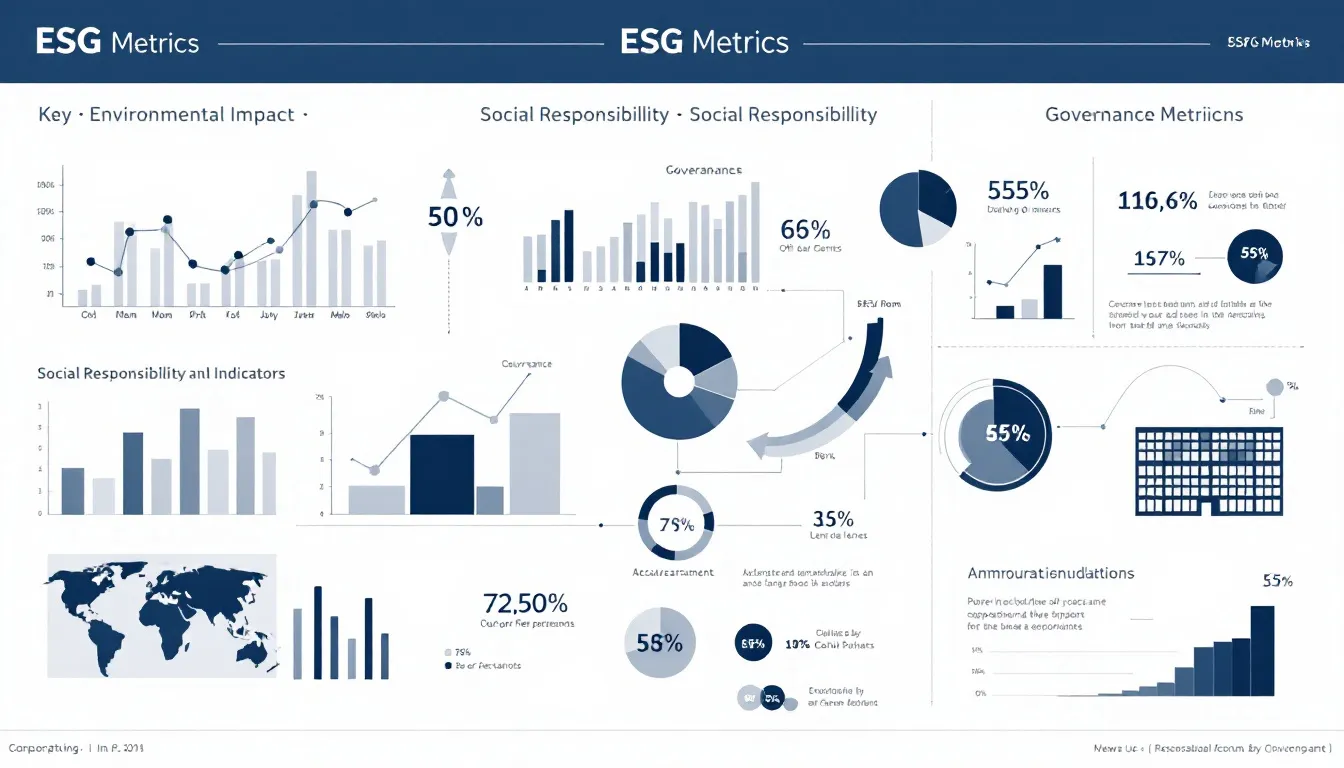
CSR KPIs play a crucial role in measuring a company’s performance in the field of sustainable development. They reflect the organisation’s societal, social, and environmental commitment. Thanks to these key performance indicators, companies can analyse precise data to adapt their actions and operate in a more responsible way.
These CSR indicators are essential for assessing the company’s practices, identifying areas that require improvement, and ensuring transparency that strengthens stakeholder trust and provides a competitive advantage. Implementing CSR indicators also makes it possible to track the progress of actions taken and to define appropriate management tools to achieve the set objectives.
It is vital to select appropriate KPIs for your CSR strategy in order to measure the real impact of your actions and align with the company’s strategic objectives. These KPIs must reflect the specific challenges and commitments of your CSR policy to ensure their relevance and effectiveness.
Selecting the right CSR KPIs
Choosing relevant CSR indicators is essential to making progress in your CSR approach and ensuring the transparency of your actions. These indicators must faithfully reflect your organisation’s ambitions and commitments in terms of social responsibility.
The criteria to assess when choosing CSR indicators include their relevance to CSR objectives and the feasibility of implementing them. It is advisable to choose a checklist of material indicators that is both comprehensive and manageable, while refining the definitions and calculation methods.
Focusing on the levers with the greatest room for improvement or potential impact is crucial when choosing KPIs. Before selecting indicators, it is important to carry out a materiality analysis and identify your company’s priority issues. By following these steps, you ensure that your CSR KPIs are aligned with your overall strategy.
Align KPIs with your strategic objectives
For KPIs to be truly effective, they must be aligned with your strategic objectives. Identifying high-impact CSR areas within your company will allow you to measure your actions more effectively. For example, if one of your main objectives is to reduce greenhouse gas emissions, you must choose indicators that track this parameter in a precise and quantified way.
KPIs must reflect your company’s specific challenges and be aligned with your industry. By selecting indicators that reflect the priorities of your objectives, you will be able to assess the effectiveness of your CSR actions and adjust your strategies accordingly.
Use the SMART method
The SMART method is a valuable tool for defining effective KPIs. A good KPI must be specific to a particular issue to enable effective monitoring. For example, instead of simply wanting to “reduce emissions”, set a target such as “reduce greenhouse gas emissions by 10% by 2026”.
KPIs must:
- be measurable with reliable data, thus ensuring their effectiveness
- be achievable
- be relevant to your overall objectives
- be time-bound in order to track performance in a continuous and clear way
This makes it possible to see where your actions are most effective and where improvements are needed.
Consult sector-specific frameworks
Consulting sector-specific frameworks is a crucial step in developing relevant CSR indicators. Guidelines such as those from the Global Reporting Initiative (GRI) provide structured frameworks for developing effective KPIs. Likewise, the ISO 26000 standard helps companies integrate CSR indicators that cover different areas of responsibility.
CSR indicators can be cross-cutting or sector-specific, which allows them to be adapted to the particular needs of your company. Reviewing your competitors’ CSR reports can also inspire you and help you better position yourself in the market.
By choosing indicators based on recognised frameworks, you ensure the quality and relevance of your CSR approach.
Examples of CSR KPIs by theme
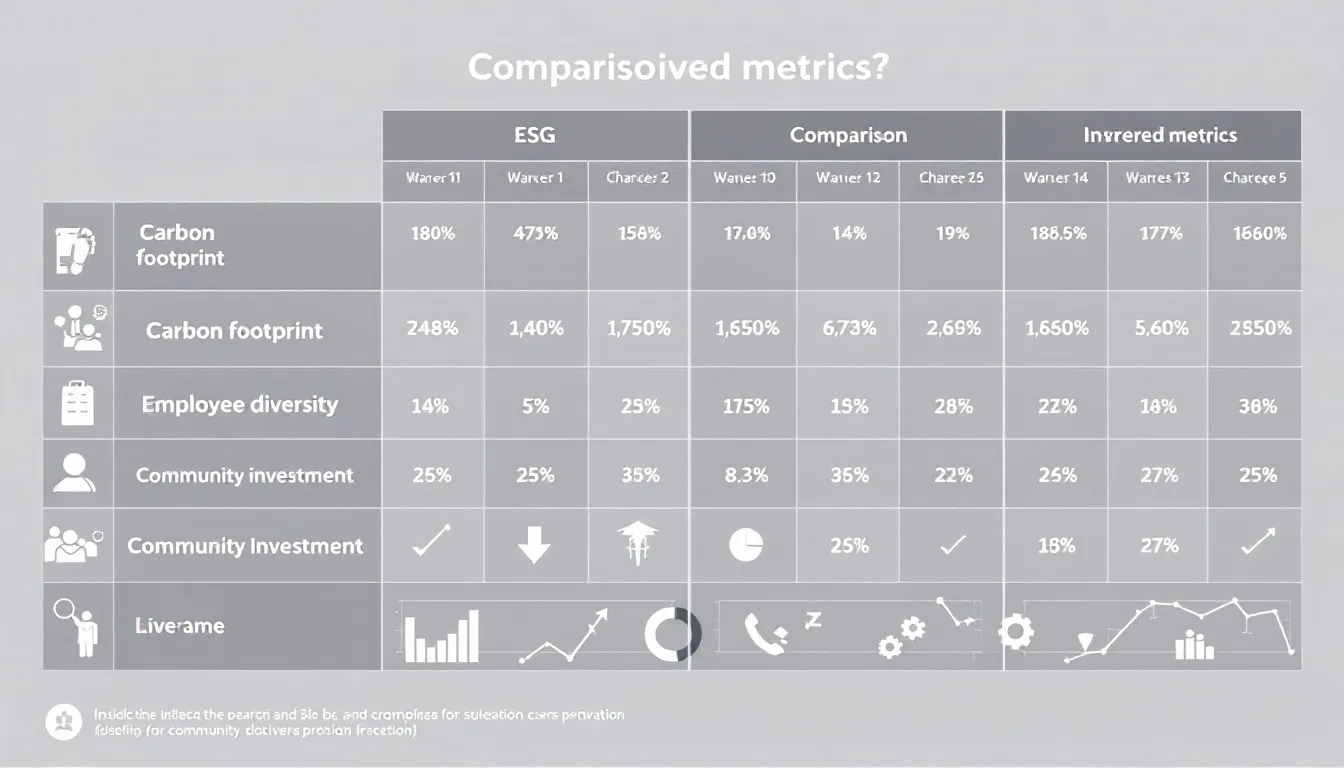
CSR KPIs can be grouped into three main categories: environmental, social and governance. Each theme requires specific indicators to measure performance in a relevant way that is aligned with the objectives of your CSR strategy.
To illustrate this, we will look at concrete examples of KPIs for each of these categories. These examples will help you better understand how to choose and use these indicators to improve your practices and achieve your sustainable development goals.
Environmental indicators
Environmental indicators are essential for measuring your company’s ecological impact. The carbon footprint, for example, is crucial for measuring greenhouse gas (GHG) emissions. By tracking these emissions, you can identify the main sources of pollution and take action to reduce them.
Other environmental indicators include energy and water consumption. Measuring energy consumption makes it possible to target areas where savings can be made, while monitoring water consumption helps assess the overall environmental impact of your company.
Social indicators
Social indicators are just as important for assessing your company’s impact on its employees and the community. Among them, the employee satisfaction rate is a key indicator for evaluating their well-being at work:
- A high level of satisfaction indicates a positive work environment.
- A positive work environment can increase productivity.
- It can also reduce employee turnover.
- A satisfied employee contributes to the company’s success.
Monitoring absenteeism rates can also provide an overview of employee well-being. In addition to these indicators, opportunities for continuous training and initiatives to encourage diversity and inclusion are also important measures.
By regularly tracking these indicators, you can create a more inclusive and productive work environment.
Governance indicators
Governance indicators focus on the decision-making structure and accountability within the company. The fight against corruption and transparency in executive compensation are examples of governance indicators. These indicators help ensure that governance practices are aligned with corporate social responsibility principles.
Implementing responsible governance includes establishing clear structures for decision-making and internal control. By tracking these indicators, you can ensure effective and ethical management, which strengthens stakeholder trust and improves the company’s reputation.
Setting up a CSR dashboard

To effectively track your CSR KPIs, it is essential to set up a CSR dashboard. These dashboards make it easier to visualize data and assess CSR performance. A well-designed CSR dashboard should bring together between 10 and 20 key indicators to ensure effective management.
A clear and structured dashboard makes it possible to monitor progress and make informed decisions to improve the company’s performance. It is also a valuable tool for communicating the results of your CSR actions to your stakeholders, thereby strengthening transparency and trust.
Structuring your dashboard
The structure of the CSR dashboard should be organized around three to five strategic pillars, such as environment or governance. Grouping indicators around these strategic pillars improves readability and enables a coherent presentation of KPIs.
It is essential to structure the dashboard in such a way that it reflects the company’s strategic priorities. This makes it easier to analyze data and make decisions, while ensuring that CSR efforts are aligned with the company’s overall objectives.
Regularly updating the data
Frequent data updates are crucial to ensure the reliability of information and to track the progress of CSR initiatives. It is recommended to update CSR indicators at least once a quarter.
Without regular updates, data can become obsolete and distort the assessment of CSR performance. By keeping data up to date, you ensure that decisions are based on accurate and current information, which is essential for effectively managing your CSR strategy.
Using collaborative tools
The use of collaborative tools such as Trello or Asana makes it easier for teams to track and manage CSR indicators. These tools allow you to centralize information, monitor progress in real time, and improve collaboration between team members.
Tools like Google Sheets or Microsoft Excel can also be used to create interactive dashboards. By using these tools, you can improve the efficiency and transparency of your CSR approach, while facilitating communication and collaboration within your company.
Measuring and analyzing the impact of CSR actions

Measuring and analyzing the impact of CSR actions is essential to ensure that your initiatives are effective and aligned with your sustainable development goals. Here are the key points to remember:
- KPIs must be linked to the concrete actions undertaken in order to assess their effectiveness.
- Monitoring CSR KPIs makes it possible to audit the company’s CSR practices.
- Monitoring CSR KPIs helps optimize CSR practices, thereby improving the company’s sustainability.
By choosing KPIs that correspond to the areas where the company can have the greatest impact, you will facilitate informed decisions oriented towards concrete actions. This analysis also makes it possible to identify areas that require adjustments, ensuring continuous improvement of your CSR performance.
Life cycle assessment (LCA)
Life cycle assessment (LCA) is a powerful tool for assessing the environmental impact of a product throughout its life cycle, from production to disposal. This tool enables companies to identify problematic stages and take appropriate action to reduce their environmental impact.
By integrating LCA into your CSR strategy, you can not only measure the impact of your products, but also implement measures to improve their environmental performance. This contributes to better resource management and waste reduction, thereby strengthening the sustainability of your activities.
Carbon footprint assessment
The carbon footprint assessment is an essential tool for any company seeking to reduce its environmental impact and comply with sustainability regulations. The main sources of greenhouse gas emissions include energy consumption, business travel, and the waste generated by the company.
To reduce its carbon footprint, the company can adopt measures such as optimising energy consumption and promoting sustainable modes of transport. Regular monitoring and updating of CSR strategies make it possible to assess the effectiveness of the actions implemented to minimise emissions.
Stakeholder surveys
Stakeholder surveys are essential for gathering information on how CSR actions are perceived by those who are affected. These initiatives help to understand stakeholders’ expectations and concerns, which is crucial for adjusting your CSR strategies accordingly.
By integrating stakeholder feedback into your decisions, you can improve the effectiveness of your CSR initiatives and strengthen the relationship of trust with your employees, customers, and partners. This contributes to a more inclusive CSR approach that is aligned with the expectations of your ecosystem.
The benefits of properly measuring CSR KPIs
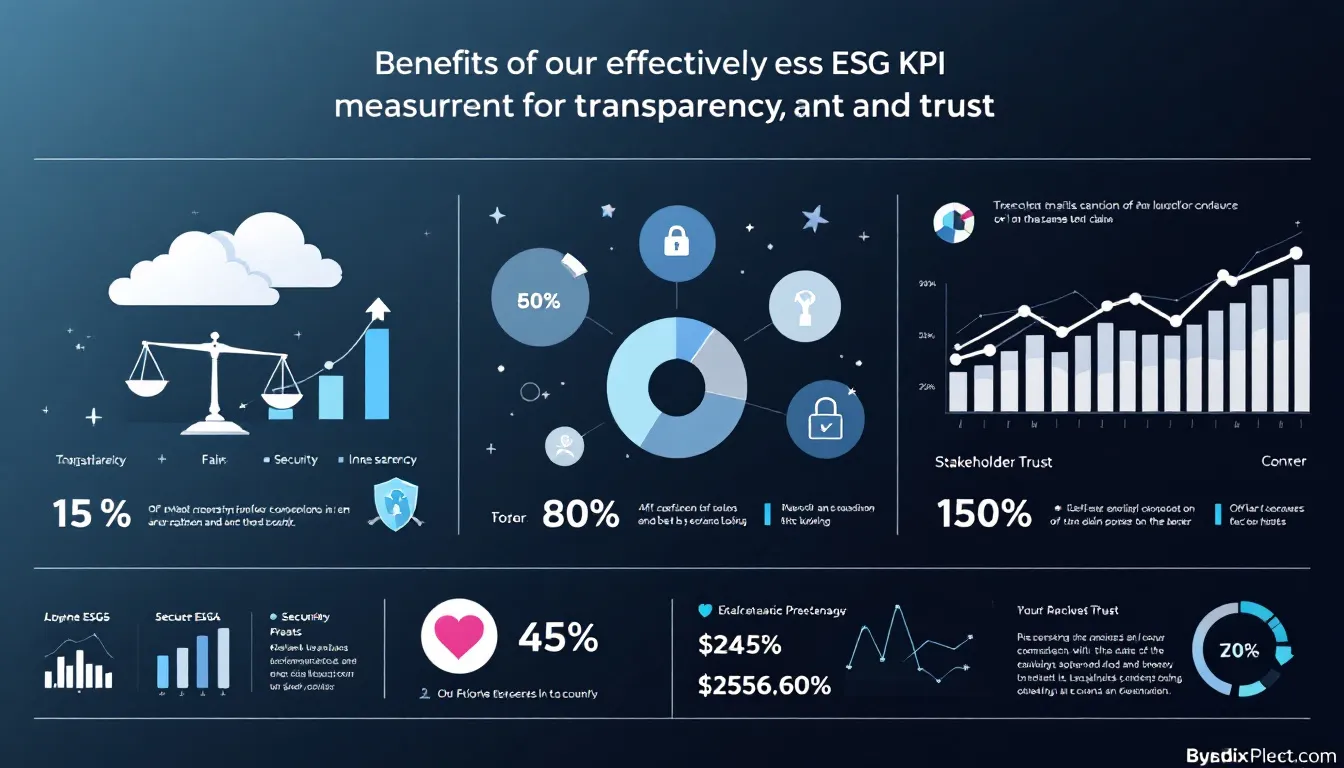
Proper measurement of CSR KPIs offers many advantages for companies:
- CSR KPIs are crucial for advancing a CSR policy through informed management of economic, social, and environmental impacts.
- They make it possible to measure the impact of the actions undertaken.
- They strengthen the transparency of actions.
Measuring CSR performance makes it possible to continuously improve the actions undertaken. By understanding how their actions influence society and the environment, companies can reassess their processes and drive creative and sustainable solutions.
This not only helps reduce costs and anticipate regulatory requirements, but also strengthens stakeholder trust and improves the company’s reputation.
Transparency and trust
CSR KPIs serve as a tool to ensure transparency in the company’s actions, which fosters stakeholder trust. Transparent communication about CSR KPIs helps strengthen the company’s credibility with its stakeholders.
Good management of CSR KPIs also enhances the company’s credibility with its partners and investors. By showing that the company is actively committed to responsible and measurable practices, it gains respect and trust, which can translate into better business relationships and growth opportunities.
Continuous improvement
By regularly measuring CSR performance, a company can more easily identify areas that require improvement. Analysis of CSR KPI results can lead to strategic adjustments, thereby strengthening the company’s long-term performance.
LCA also enables companies to identify production stages where improvements can be made to reduce their environmental impact. CSR KPI results can trigger organizational changes aimed at improving sustainable performance, thus contributing to continuous and responsible development.
Competitive advantage
Companies that measure their CSR KPIs can stand out in a market where societal commitment is becoming essential. Measurable CSR engagement, supported by KPIs, enables companies to strengthen their market position against competitors.
A strong CSR commitment, measured by appropriate KPIs, allows a company to stand out in an increasingly competitive market. By showing that it takes its social responsibility and environmental responsibilities seriously, the company can attract customers, partners, and investors who share the same values, thereby strengthening its position and growth prospects. Moreover, corporate social responsibility has become an essential criterion for today’s consumers.
In summary
In summary, CSR KPIs are essential for measuring and improving your company’s performance in terms of social responsibility. They make it possible to track the impact of your actions, ensure transparency, and strengthen stakeholder trust. By choosing KPIs that are aligned with your strategic objectives and using proven methods such as SMART, you can ensure that your indicators are relevant and effective.
Setting up a structured CSR dashboard and using collaborative tools make it easier to manage and communicate your CSR performance. By regularly measuring the impact of your actions and gathering feedback from stakeholders, you can make continuous improvements and strengthen your position in the market. Adopt a proactive CSR approach now to ensure the long-term sustainability and success of your company.
Frequently asked questions
What are the main benefits of CSR KPIs?
The main benefits of CSR KPIs lie in their ability to provide transparency and trust to stakeholders, to foster continuous performance improvement, and to provide a competitive advantage by anticipating regulatory requirements.
How do I choose the right CSR KPIs for my company?
To choose appropriate CSR KPIs, you should select those that match your company’s ambitions and commitments while remaining relevant and achievable. This approach will ensure effective monitoring of your CSR objectives.
Why is it important to update CSR KPI data regularly?
It is essential to regularly update CSR KPI data to ensure the reliability of information and accurately assess performance. Outdated data can distort the evaluation of the actions implemented.
Which tools can be used to manage CSR KPIs?
To manage CSR KPIs, collaborative tools such as Trello, Asana, Google Sheets or Microsoft Excel are particularly effective. They make it easier to monitor and manage indicators within teams.
How can CSR KPIs provide a competitive advantage?
CSR KPIs provide a competitive advantage by enabling companies to demonstrate their societal commitment, which attracts customers and partners who share similar values. This differentiation strengthens their position in the market.