Work and well-being: how can well-being be used as a lever for sustainable performance in companies?
Written by Tony Demeulemeester, Co-founder & COO @ Eli
April 17, 2026 · Updated September 10, 2026 · 14 min read
Ready to boost employee engagement?
Connect your employees to your culture and values. Create a workplace where everyone thrives.
Key takeaways
- The link between workplace well-being, engagement, and performance is now measurable: companies that invest in this area see productivity increase by 15 to 25% and a significant reduction in turnover.
- Since March 2022, QVCT (Quality of Life and Working Conditions) has been enshrined in the French Labour Code, strengthening employers’ obligations regarding the prevention of psychosocial risks and physical and mental health.
- Well-being is not limited to “gadget” perks: it is based on work organization, inclusive management, active listening, and structured internal communication.
- An effective approach combines diagnosis, co-construction with employees, concrete actions, and continuous measurement of results.
- SaaS solutions like Eli make it possible to design, roll out, and measure well-being programs at scale, with real-time analytics to steer impact.
Introduction: why link work and well-being in 2026?
The 2020–2022 health crisis profoundly transformed the expectations of French employees. The widespread adoption of remote work, the “Great Resignation,” and persistent recruitment tensions have placed well-being back at the heart of HR strategies. Employees, particularly those under 35, now express higher expectations regarding work–life balance, meaning at work, and day-to-day recognition.
For companies, workplace well-being has become a cross-cutting strategic issue. It directly impacts employer branding, absenteeism, turnover, and team engagement. HR, internal communications, and CSR departments now need to structure their actions in this area to attract and retain talent in a context of ongoing shortages in France and across Europe.
Eli supports organizations with 200 employees or more in designing, running, and measuring their engagement programs through a dedicated SaaS platform. This article explores key definitions (well-being, QVCT, psychosocial risks), the French legal framework, documented business benefits, concrete implementation strategies, and available management tools.

Well-being, QVCT, and psychosocial risks: establishing clear definitions
Before rolling out a well-being policy, it is essential to clarify the concepts that structure this topic. These definitions, rooted in the French context, help align teams and build a coherent approach.
Workplace well-being refers to a lasting state of satisfaction experienced by employees in their professional environment. According to the INRS and the WHO, this notion goes far beyond the absence of health problems: it encompasses harmony between the worker’s abilities, needs, and aspirations and the constraints of their work environment. It is a proactive concept that influences motivation, team climate, and individual fulfillment.
The three dimensions of well-being at work
Physical dimension: workstation ergonomics (adjustable desks, suitable screens), prevention of MSDs, air quality, natural light and noise control. In office environments, this concerns prolonged sedentary behavior; in industry, the management of physical strain and equipment safety.
Psychological dimension: autonomy in tasks, clarity of objectives, the right to make mistakes, and management of mental workload. Access to support resources (listening unit, Employee Assistance Program, coaching) strengthens the feeling of confidence and helps prevent burnout.
Social dimension: quality of relationships within teams, day-to-day recognition, sense of belonging, and solidarity between sites. Collective rituals (team-building, regular feedback) maintain cohesion, especially in hybrid or remote work settings.
These dimensions can be addressed through internal content: awareness-raising video capsules, team challenges, regular surveys. A platform like Eli, dedicated to employee engagement makes it possible to orchestrate these formats and measure their impact.
Well-being, QVCT and psychosocial risks (RPS): complementarities and differences
Quality of Life and Working Conditions (QVCT) is a structured and negotiated approach aimed at improving working conditions, organization, and opportunities for employees to express themselves. It has replaced QVT in the French Labour Code since March 2022, with a stronger focus on primary prevention, and can rely on various tools to improve quality of life at work.
Psychosocial risks (RPS) are warning signals: chronic stress, cognitive overload, moral or sexual harassment, loss of meaning, isolation linked to remote work. These are consequences that must be addressed upstream through QVCT and targeted well-being initiatives.
Well-being at work represents the overall perceived objective, the result of an effective QVCT policy combined with risk prevention and an inclusive management culture. For example, a multi-site company that adjusted its working hours, workload and internal communication observed a significant improvement in the social climate and team motivation.
French legal framework: employer obligations regarding well-being
The French regulatory framework imposes specific obligations on employers regarding employees’ health and well-being. Understanding this legal context is essential to structuring a compliant approach and avoiding risks.
Article L4121-1 of the French Labour Code establishes the general safety obligation: the employer must protect employees’ physical and mental health, including psychosocial risks. This obligation is reflected in particular in the Single Occupational Risk Assessment Document (DUERP), updated annually with the integration of psychosocial risks.
For companies with more than 50 employees, an annual negotiation on QVCT is mandatory. The topics covered include occupational health, work organization, gender equality and remote work. Failure to comply with these obligations exposes the company to administrative sanctions, claims for inexcusable fault, labour court disputes and significant damage to its reputation.
Recent development: from QVT to QVCT
The “Occupational Health” law of 2 August 2021, which came into force on 31 March 2022, replaced QVT with QVCT in the Labour Code. This development aims to better integrate work organization and primary prevention into initiatives to improve quality of working life.
QVCT explicitly includes working conditions: workload, autonomy, digital tools, working time, remote work and arduousness. The agreements signed in 2023–2024 in several large French groups now formalize regulated remote work, the right to disconnect and training for managers in caring management practices, as part of a broader approach to Quality of Life, Health and Working Conditions.
Social dialogue, CSE and internal stakeholders
The Social and Economic Committee (CSE) plays a central role in the well-being approach. It must be consulted on social policy, working conditions and the annual occupational risk prevention programme. HR departments, line managers and occupational health services complement this system.
Regular internal surveys, QVCT barometers or anonymous polls feed social dialogue and help objectify perceptions. A platform like Eli facilitates the distribution of these consultations (surveys, quizzes) and the reporting of results to employee representative bodies, thereby strengthening transparency and trust.
How does well-being at work impact company performance?
The impact of well-being on performance is no longer just a hunch: it is now documented by numerous studies. Companies that invest in this area see tangible and measurable benefits.
Organizations that prioritize well-being report a decrease in absenteeism (fewer sick leaves related to stress), a reduction in turnover (whose cost is estimated at 1 to 2 times the annual salary per departure), and higher employee engagement. This link is particularly visible in customer-facing roles, where team well-being directly influences customer satisfaction.
An illustrative scenario: a multi-country company launching a structured well-being program in 2024 observed within a year a 20% increase in participation in initiatives and a significant improvement in its eNPS. Well-being is a lever for sustainable performance, not just an HR cost.
Productivity, creativity and innovation
A calm environment, with a manageable workload, trust-based management and regular feedback, stimulates initiative-taking and creativity. Recent studies cite productivity gains of 15 to 25% associated with high levels of engagement and well-being.
In R&D teams, shared service centers or project teams, this dynamic translates into more ideas being proposed, better collaboration and accelerated innovation. Thematic campaigns (innovation challenges, idea boxes, collaborative workshops) can be run via an internal engagement platform to amplify this impact, provided the approach is structured and you measure the impact of internal communication with appropriate KPIs.
Reducing absenteeism and turnover
The financial cost of high turnover is considerable: recruitment and onboarding expenses, loss of skills and a decline in service quality. Since 2021, spikes in short-term absenteeism linked to poor well-being have become a warning sign for many organizations.
Tracking combined indicators (turnover, sick leave, self-reported well-being scores) makes it possible to manage action plans effectively, in addition to CSR KPIs aligned with sustainable performance. Recognition campaigns, continuous feedback and skills development strengthen employees’ attachment to the company and reduce voluntary departures.

Strategies for developing well-being at work
Promoting well-being at work requires a structured approach. Here is a four-step process for HR and internal communication managers who want to improve their employees’ well-being.
This strategy must be linked to the company’s overall strategy and CSR policy. Internal communication is the common thread: explaining the purpose, highlighting initiatives, making results visible, relying on a structured internal communication strategy. Digital tools like Eli make it possible to structure these steps over time through integrated campaigns, content and reporting.
Step 1: assess the level of well-being
Basing decisions on data rather than intuition is essential. Diagnostic methods include anonymous barometers, regular pulse surveys, focus groups and interviews with managers and employee representatives.
Segmenting results by site, job type, age, length of service and working mode (on-site, hybrid, remote) helps identify disparities and target actions. Eli distributes targeted surveys, centralises feedback and displays real-time dashboards to facilitate this phase, thanks to its turnkey employee engagement platform features.
Step 2: co-create a well-being roadmap
Involving employees, managers, the Social and Economic Committee (CSE) and business representatives in defining priorities strengthens buy-in. It is recommended to structure the plan around 3 to 5 key areas: workload, recognition, physical environment, work–life balance, meaning and CSR.
Setting measurable objectives over 12 to 24 months (reducing by X% the proportion of employees experiencing overload, increasing the well-being score by Y points) enables concrete management. This roadmap is then translated into an internal campaign plan with an editorial calendar and monthly themes.
Step 3: implement concrete and visible actions
Actions operate on three levels:
Concrete actions to develop well-being at work can be organized around three complementary levels.
At the organizational level, this means adjusting workloads, clarifying roles and responsibilities, implementing flexibility policies such as remote work, and guaranteeing the right to disconnect in order to preserve work–life balance.
On the management side, actions include training team managers for engaging management, setting up regular feedback rituals, and conducting interviews focused on active listening to employees in order to better understand their needs and expectations.
Finally, at the individual and collective level, it is important to offer stress management workshops, tailored physical activity programs, as well as webinars on topics such as sleep and nutrition. Launching well-being-oriented corporate challenges can also strengthen buy-in. These initiatives help enhance employees’ comfort and fulfillment on a daily basis.
These actions gain impact if they are staged as sequenced campaigns (“Well-being Month”) using a tool like Eli, which helps maintain attention and engagement over time.
Step 4: measure, adjust, and sustain
Ongoing management with regular reporting to executives and employee representative bodies (at least quarterly) is essential. Using a mix of quantitative indicators (absenteeism, turnover, participation) and qualitative indicators (verbatims, feedback) makes it possible to adjust the programs.
The data are used to strengthen certain themes, target at-risk populations, or adapt formats. A centralized platform like Eli tracks the performance of each campaign and demonstrates the ROI of well-being initiatives to stakeholders.
The role of internal communication and digital tools in well-being
Since 2020, the digital transformation of HR and internal communications has accelerated. SaaS and mobile tools have replaced one-off top-down emails with structured engagement programs, based on a clearly defined internal communication strategy.
Well-being is nurtured by clear information, a feeling of being heard, and a regular connection between the company and each employee. Multi-site, multi-language organizations or those with hard-to-reach populations (field, retail, logistics) need suitable channels to reach all their employees.
Useful content formats include educational articles, short videos, podcasts, quizzes, surveys, and gamified challenges. Content dedicated to team cohesion and collaboration is particularly effective at strengthening social bonds. Eli makes it possible to design, target, and distribute this content, then measure its reach and its impact on participation.
From information to participation: building real engagement programs
The difference between one-off top-down communication and truly structured programs lies in sequencing and interactivity. A “Quality of Work Life Week” campaign can include teasers, quizzes, expert videos, live workshops, a final survey, and follow-up on the results.
Gamification (badges, points, team leaderboards) encourages participation without being patronizing. It can be combined with impactful, measurable CSR team-building initiatives. With Eli, it is possible to personalize journeys according to roles, countries, languages, or areas of interest (mental well-being, physical health, inclusion, CSR).
Measuring the impact of well-being campaigns with an engagement SaaS
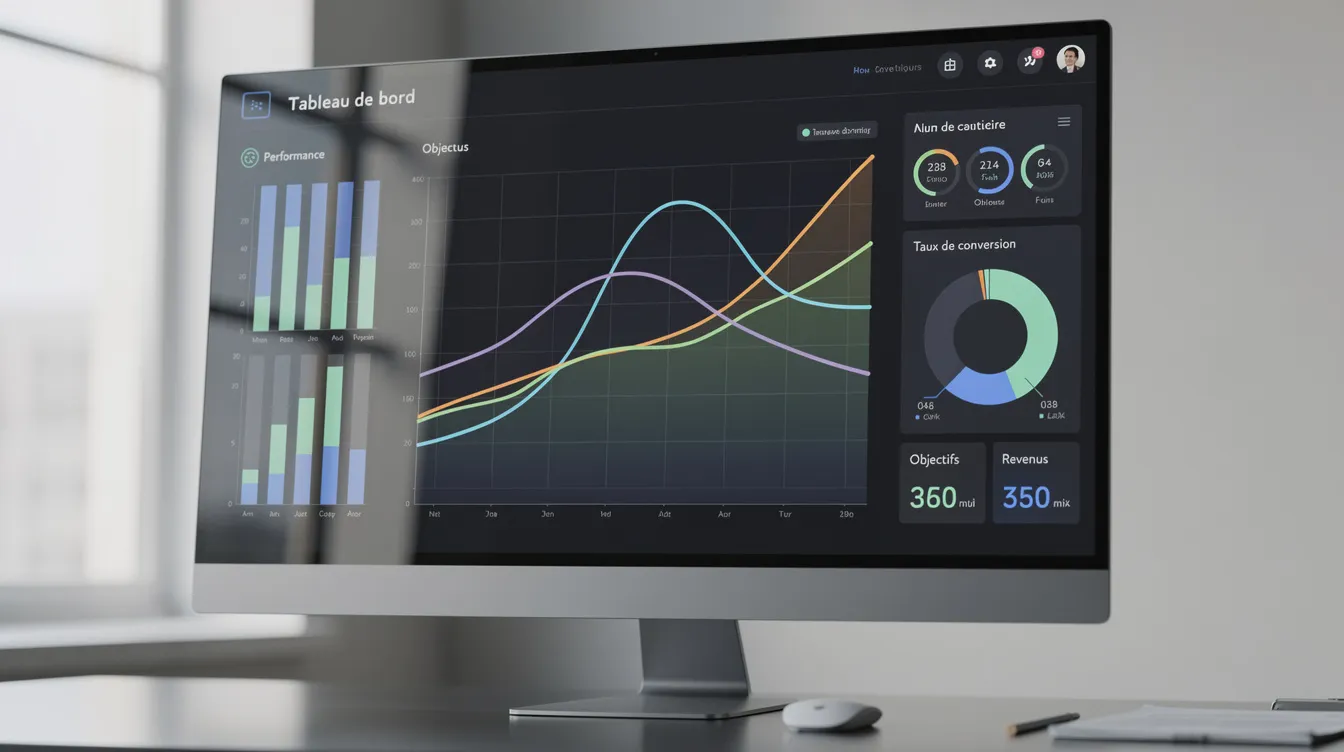
A dedicated analytics solution provides concrete benefits for steering initiatives. The main tracked indicators include open rate, click-through rate, participation rate, time spent viewing content, and frequency of logins.
Combining this data with HR indicators (absenteeism, turnover, eNPS) makes it possible to estimate the overall impact of a program. The platform generates reports by entity, country, and role to inform executive committees, employee representative bodies, and social reports.
Use case: building a “work and well-being” program with Eli
Let’s take the example of a company with 2,000 employees spread across 8 sites in France. The HR team wants to structure its well-being approach with clear objectives: increase participation in initiatives by 20% within 12 months.
The scoping phase starts with a workshop bringing together HR, internal communications and CSR teams. The team uses Eli’s content library (over 200 resources) to create themed pathways: stress management, sleep, nutrition, physical activity, work-life balance, and modules linked to structured and engaging CSR programs.
A 6‑month campaign timeline is built using drag & drop: sequencing of articles, videos, quizzes, surveys and concrete actions. Targeting by team and language, reminders via email and push notifications, and gamification mechanics gradually increase participation.
Participation dashboards by site allow for continuous adjustment of the program. At the end of the cycle, the team has precise data to demonstrate impact and convince management to make the initiative sustainable.